
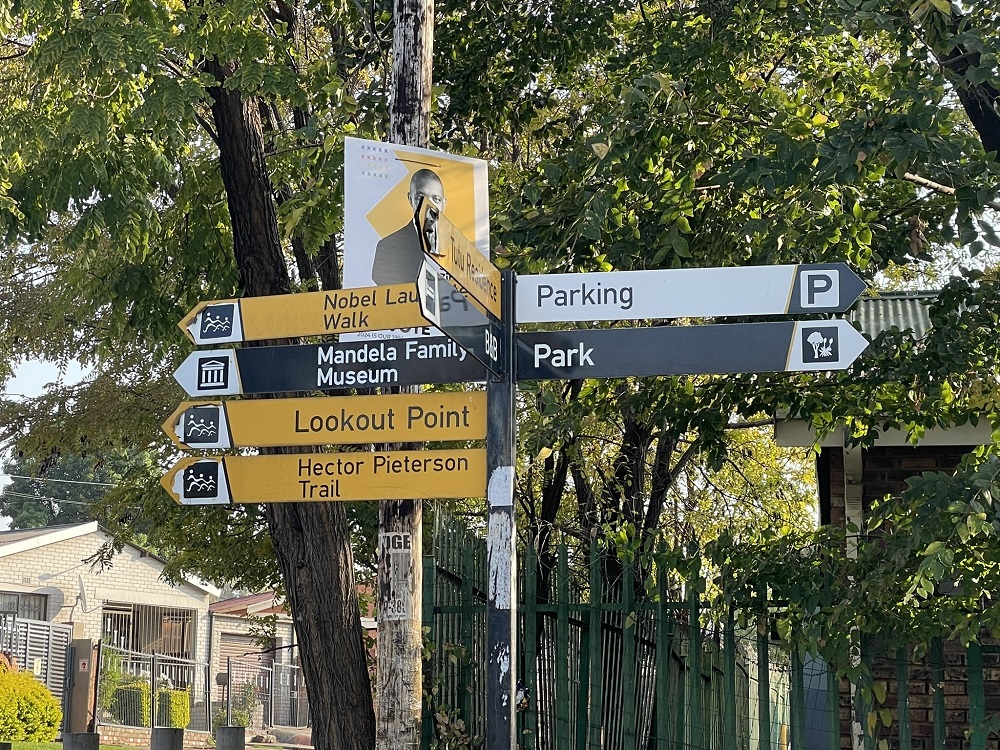
South Africa rewards travellers who come for more than scenery. Beyond the safaris and coastlines lies one of the most compelling human stories of the modern age — a country that moved from apartheid to democracy within a single generation, and whose history is written into its streets, museums and people. If you want a trip that means something, build it around history and culture. Here’s how — and why Soweto deserves to be at its centre.
Start with the story, not just the sights
A great history-and-culture trip begins with a question: what do I want to understand? South Africa’s recent past — the struggle against apartheid, the road to the 1994 democratic elections, the figures who led it — gives your itinerary a thread to follow. Once you have that thread, the destinations arrange themselves.
The two essential anchors for this kind of trip are Johannesburg and Soweto, where so much of that history unfolded. Many travellers add Cape Town and Robben Island, the Cradle of Humankind, or the battlefields of KwaZulu-Natal — but the heart of the twentieth-century story beats in Gauteng.
Why Soweto belongs at the centre
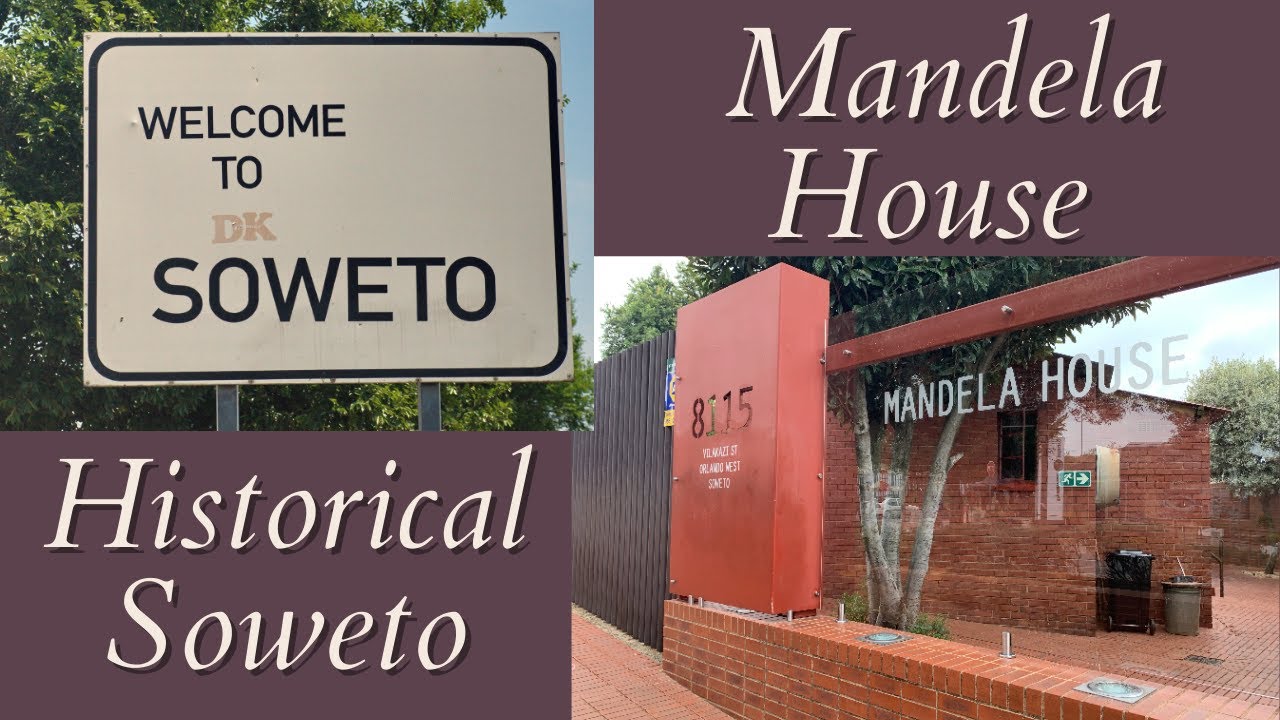
If your trip is about history, Soweto is not an add-on — it’s the main event. This is where ordinary people stood up to extraordinary circumstances, and where the turning points happened:
- Vilakazi Street — the only street in the world to have housed two Nobel Peace Prize laureates, Nelson Mandela and Archbishop Desmond Tutu.
- Mandela House — the family home that grounds the global icon in a modest red-brick reality.
- The Hector Pieterson Memorial & Museum — telling the story of the 1976 student uprising that helped change the country.
- Regina Mundi Church and Kliptown’s Walter Sisulu Square — where faith and the Freedom Charter shaped the struggle.
Experiencing these places isn’t just educational — it’s moving, and it’s the kind of travel memory that stays with you.
Building your itinerary
A practical way to structure a history-and-culture trip:
- Anchor on Gauteng first. Give Johannesburg and Soweto at least three to four days together — enough to absorb the history without rushing.
- Base yourself in Soweto. Staying in Soweto means you wake up among the landmarks and experience the culture first-hand, with central Johannesburg an easy day trip away.
- Mix museums with people. Balance formal sites (Apartheid Museum, Constitution Hill) with lived experiences — a Soweto walking or cycling tour, a meal with local flavours, live music.
- Add your wider South Africa. From Gauteng, branch out to Cape Town, the Garden Route or a safari, depending on your time.
For a ready-made plan of the Soweto portion, see our 3-day Soweto itinerary.
Practical planning notes
- When to go: South Africa is a year-round destination; Gauteng’s winters (June–August) are dry and mild, summers (November–February) warm with afternoon storms.
- Getting around: pre-arranged transfers and ride-hailing apps make Gauteng easy to navigate — see our guide on getting from the airport to Soweto.
- Where to stay: an established, well-located base with local hosts makes all the difference. Our team is always happy to help you plan — just contact us.
Make Soweto your base
A history-and-culture trip to South Africa is about understanding a place by being present in it. Stay in the heart of Soweto and you experience that history at street level, then return each evening to comfort and a warm welcome.
Explore things to do in Soweto, browse our rooms, or contact us to start planning your trip.
Frequently asked questions
How many days do you need for a history and culture trip to South Africa? Give Gauteng (Johannesburg and Soweto) at least three to four days, then add time for Cape Town, the Garden Route or a safari depending on your overall trip length.
What’s the best place to learn about South African history? Soweto and Johannesburg together — Mandela House, the Hector Pieterson Museum and the Apartheid Museum offer the most powerful and complete picture of the country’s recent history.
Should I base my history trip in Soweto? Yes — staying in Soweto places you among the key historical sites and lets you experience the culture first-hand, with central Johannesburg easily reachable for day trips.
Where to stay: Make the most of your visit by staying at our boutique hotel in Soweto — moments from the sights, with a warm local welcome.