
Soweto isn’t a place you pass through — it’s a place you feel. This is where some of the most important moments in South Africa’s modern history happened, on streets where people still live, cook, worship and gather today. Over three unhurried days you can walk those streets, hear the history from the people who carry it, and experience a culture that is generous, musical and proudly local.
This is a ready-made, history-led itinerary built around staying in Soweto. Most tours treat the township as a half-day stop squeezed between Johannesburg sights — but the travellers who get the most from Soweto give it time and base themselves here, so each day begins and ends in the heart of the story rather than an hour away in the city. Use it as written, or as a flexible framework to shape around your own pace.
Before you go: a few practical notes
- When to visit: Soweto is a year-round destination. Gauteng winters (June–August) are dry, sunny and mild by day; summers (November–February) are warm with short afternoon thunderstorms. Mornings are the best time for the popular museums.
- Getting around: the historic core of Soweto — Vilakazi Street, Mandela House and the Hector Pieterson Memorial — is walkable. For sites further afield (Kliptown, the Orlando Towers), a guided tour, pre-arranged transfer or ride-hailing app makes the day easy. Our guide on getting from the airport to Soweto covers arrival logistics.
- Where to base yourself: staying in Orlando West places you within minutes of the key sites. This itinerary assumes a stay at Soweto Boutique Hotel, but the structure works for anyone basing themselves in central Soweto.
- How to experience it well: a local guide for at least your first morning transforms the visit — the history lands far more deeply when it’s told by someone who lived it or grew up with it.

Day 1 — Vilakazi Street and the heart of the struggle
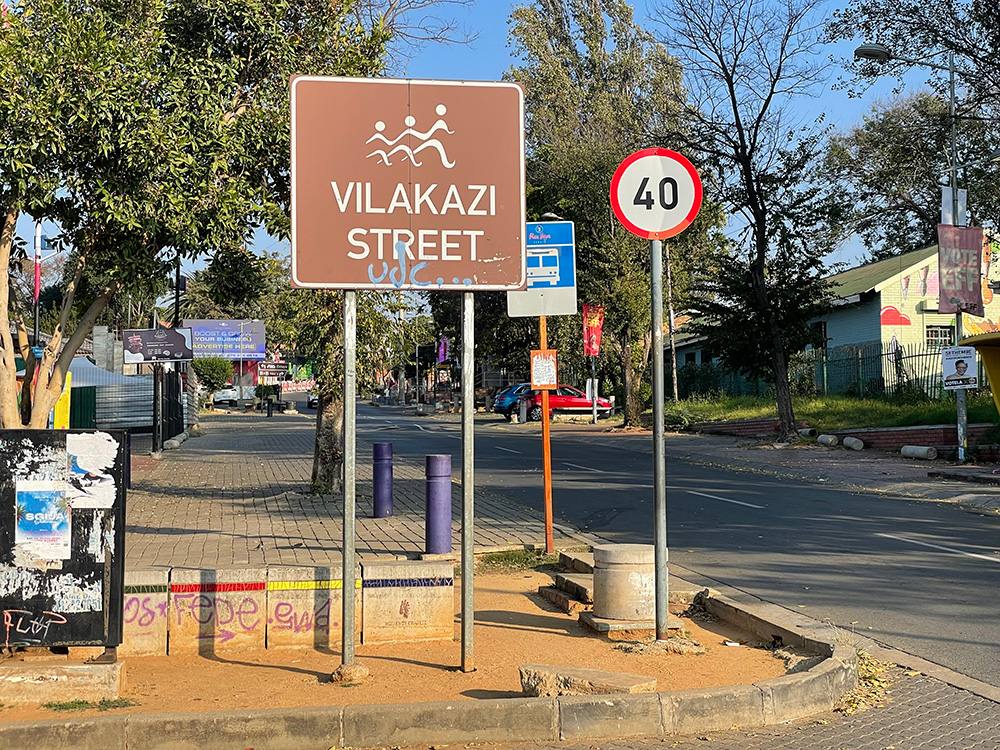
Settle in, then begin where Soweto’s global story is most concentrated: Vilakazi Street, the only street in the world to have been home to two Nobel Peace Prize laureates.
Mandela House (8115 Vilakazi Street)
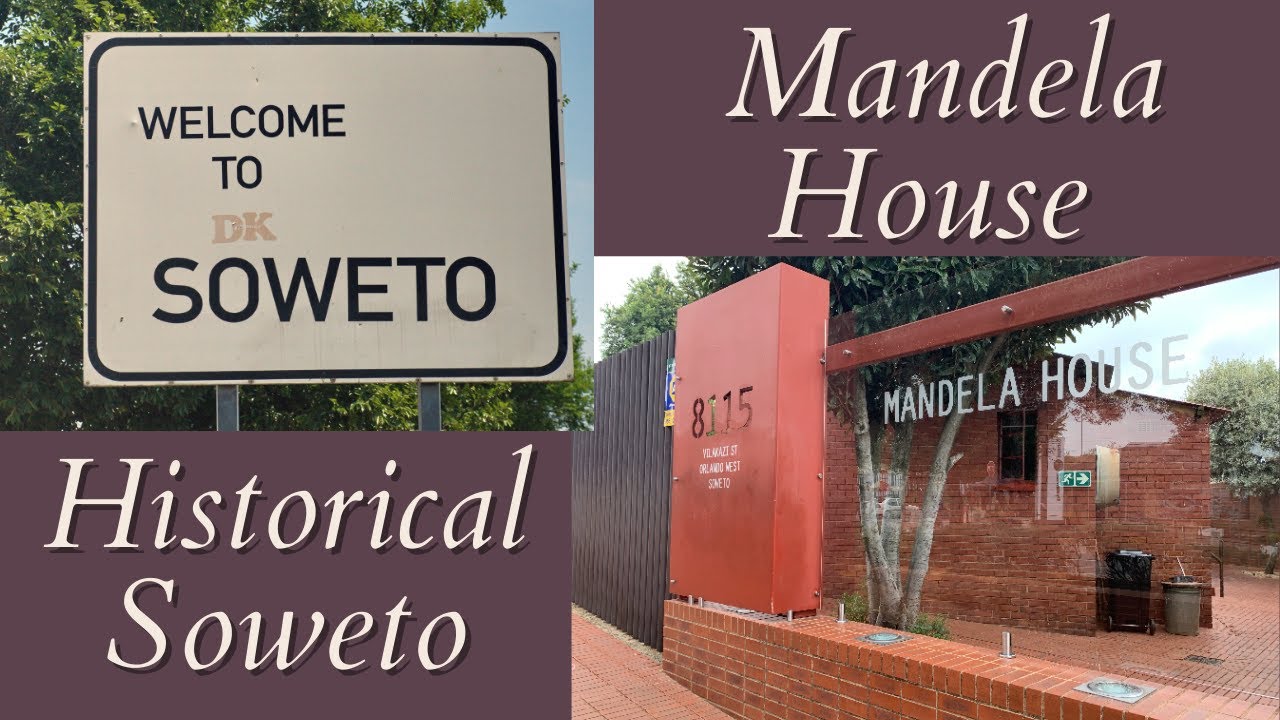
Start at the modest red-brick house where Nelson Mandela lived from 1946. He described it as the place that gave him his first sense of a settled home; it was here he returned, briefly, after his release in 1990. Now a museum, it tells the Mandela family’s story through photographs, letters and personal objects, with the small scale of the house making the global figure feel suddenly, movingly human. Allow around 45 minutes to an hour.
The Tutu family home
A short walk along the same street stands the home of Archbishop Desmond Tutu — which is what earns Vilakazi Street its remarkable claim to two Nobel laureates. You can’t tour inside, but standing between the two homes, moments apart, is a quietly powerful way to grasp how much history this one road holds.
Hector Pieterson Memorial & Museum
A few minutes away, this is the emotional centre of any Soweto visit. The museum tells the story of the 16 June 1976 Soweto Uprising, when thousands of students protested against a policy forcing them to be taught in Afrikaans. The day turned tragic, and the museum is named for Hector Pieterson, one of the first children killed — an image that, carried around the world, helped turn global opinion against apartheid. The exhibits are sobering and beautifully presented; give yourself time, and space to absorb it.
Evening on Vilakazi Street
Spend the late afternoon soaking up the atmosphere of Vilakazi Street as it shifts into evening — buskers, craft stalls, the smell of grilling meat. Settle in for dinner at one of its lively restaurants, your first real taste of Soweto’s food and music. When you’re ready to rest, you’re only minutes from your room rather than navigating the route back to a city-centre hotel.
Day 2 — Deeper history, bigger stories
Day two widens the lens beyond Vilakazi Street to the places that shaped a nation.
Regina Mundi Church
Often called “the people’s cathedral,” Regina Mundi in Rockville is the largest Catholic church in South Africa. During apartheid, when political gatherings were banned, it became a sanctuary for activists and a venue for mass meetings; police entered the building during protests, and damage from that era is still visible inside. It later hosted hearings of the Truth and Reconciliation Commission. It remains a working church and a deeply moving place to understand the role faith played in the struggle.
Walter Sisulu Square, Kliptown
Travel to Kliptown, one of Soweto’s oldest areas, to stand on the ground where the Freedom Charter was adopted on 26 June 1955, at the Congress of the People. That document’s opening line — “The People Shall Govern!” — became a cornerstone of the vision that would shape South Africa’s democratic constitution decades later. Walter Sisulu Square of Dedication commemorates the moment, and the surrounding area gives a candid sense of Soweto’s everyday life.
Orlando Towers
Round off the day at Soweto’s most recognisable landmark: the two former power-station cooling towers, decommissioned and reborn as vast canvases of mural art. They’re striking to photograph and rich in local story — and, for the adventurous, an adrenaline hub offering bungee jumping and a zip-line strung between the towers.
Evening: shisanyama and music
Experience Soweto’s warmth at a local shisanyama — a sociable barbecue where you choose your cuts, they’re grilled over open flames, and you eat communally amid music and conversation. It’s the quickest way to feel why visitors fall for Soweto. Our team is always happy to recommend or help arrange tours and experiences — just ask.
Day 3 — Experience Soweto your way
Your final day is about feeling Soweto’s present-day energy rather than only its past.
- Take a guided bicycle, tuk-tuk or walking tour. Seeing the neighbourhoods at a human pace — and meeting the people who live there — is, for many visitors, the highlight of the whole trip.
- Browse local markets and craft stalls for art, beadwork, fashion and keepsakes made by Soweto artisans, so you take home something with a story.
- For sport and music fans, the nearby FNB Stadium (Soccer City) hosted the 2010 FIFA World Cup final and was the site of Nelson Mandela’s last public appearance and, later, his memorial — a landmark of modern South Africa.
- Lingering longer? Soweto also makes an ideal base for a day exploring central Johannesburg — the Apartheid Museum, Constitution Hill and the creative quarter of Maboneng are all within reach. We cover how the two complement each other in Soweto & Johannesburg: how to experience both.
Round off your stay with a relaxed final dinner — perhaps revisiting a favourite from earlier in the trip — before your onward journey.
Where to stay (and why it genuinely matters)
The single decision that shapes a Soweto trip most is where you sleep. Staying in Soweto rather than central Johannesburg means you’re never more than minutes from the sites that brought you here, and — crucially — you experience the evenings, when day-trippers have left and the neighbourhood’s warmth and music come into their own.
Soweto Boutique Hotel offers four en-suite rooms in the heart of Orlando West, with modern amenities and 24-hour reception, so it doesn’t matter what time you arrive. Just as valuable is the local team, who know the area first-hand and can point you to the right tours, the best tables and the experiences that don’t appear in guidebooks.
Browse our rooms, see more things to do in Soweto, or contact us to plan your stay — and ask our team about tours and experiences to add to your trip. For a taste of the local food scene, see our food guide; for stress-free arrival, our airport-to-Soweto guide.
Practical tips for your three days
- Book the popular museums for the morning and the more relaxed experiences for the afternoon.
- Wear comfortable shoes — the historic core is best explored on foot.
- Carry a little cash for markets and craft stalls, alongside cards for restaurants.
- Build in slow time. Some of the best moments in Soweto — a conversation, an unplanned detour — aren’t on any itinerary.
- Ask your hosts. A two-minute chat at reception often reshapes a day for the better.
Frequently asked questions
How many days do you need in Soweto? Three days is ideal — enough to explore Vilakazi Street and the major history museums, take in Kliptown and the Orlando Towers, experience local food and music, and fit in a tour, all without rushing.
What are the must-see historical sites in Soweto? Mandela House and the Hector Pieterson Memorial & Museum on Vilakazi Street, Regina Mundi Church, and Walter Sisulu Square in Kliptown (site of the 1955 Freedom Charter). The Orlando Towers are the standout modern landmark.
Is it better to stay in Soweto or Johannesburg? Staying in Soweto puts you within minutes of its historic sites and lets you experience the culture and evenings first-hand, while central Johannesburg remains an easy day trip — so you get the best of both.
Is Soweto suitable for first-time international visitors? Yes. Soweto is one of South Africa’s most visited destinations and welcomes travellers from around the world daily. Arranging your transport in advance and staying at an established, well-located base makes it easy and comfortable; our team is always happy to answer any questions about your visit.
When is the best time of year to visit Soweto? Soweto is a year-round destination. Winters (June–August) are dry and mild; summers (November–February) are warm with short afternoon storms. Mornings are best for the busy museums.
Can the hotel arrange tours? Our team is happy to recommend and help arrange guided tours and experiences across the itinerary — just ask when you book.
Where to stay: Make the most of your visit by our boutique hotel near Vilakazi Street — moments from the sights, with a warm local welcome.