
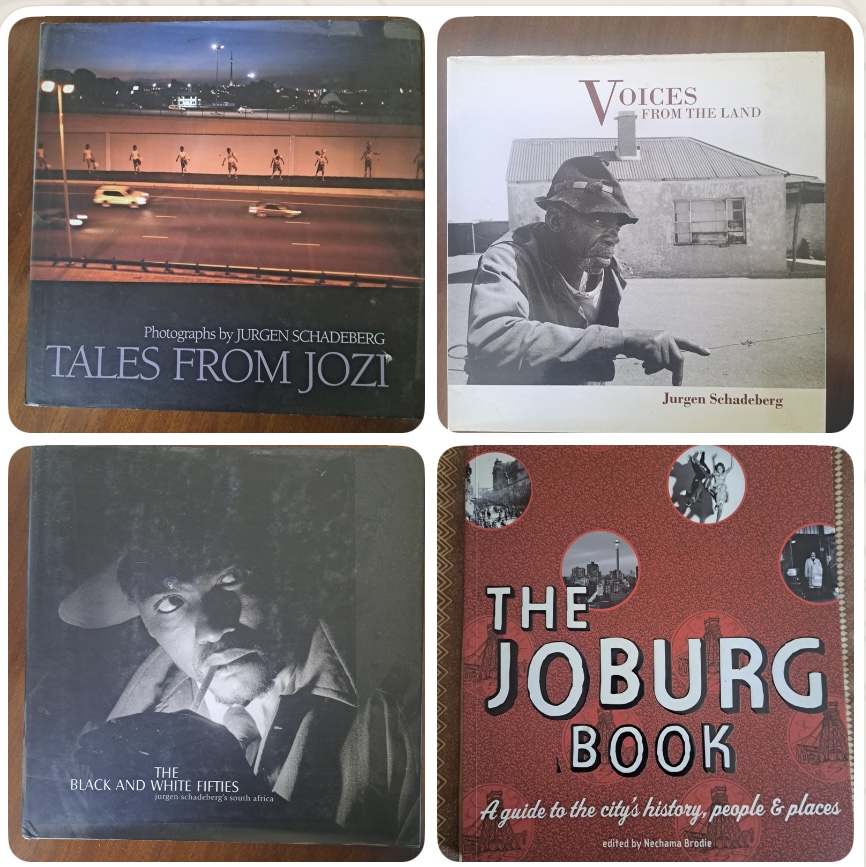
Johannesburg does not reveal itself gently. It rushes forward, vast and sprawling, like a living mosaic that both dazzles and disorients. It is a city shaped by histories too heavy to ignore, yet too resilient to be defined by them alone. Beneath the clear, sharp light of the Highveld sky, Johannesburg stretches – a restless and unapologetic heart of South Africa, where the past stands shoulder to shoulder with the present, and the future waits impatiently in the wings.
Streets that carry the echoes of time
To begin to understand Johannesburg, you must walk it. The pavements of Soweto hum with history, and Vilakazi Street – the only street in the world to have housed two Nobel Laureates, Nelson Mandela and Desmond Tutu – invites you to listen. Here, the air seems weighted, filled with the stories of ordinary people who stood up to extraordinary circumstances.
Nearby, Constitution Hill rises like a scar turned into a monument. Once a brutal prison that confined political dissidents and visionaries alike, it now houses South Africa’s Constitutional Court, a space where justice is forged from the very stones that once held voices captive. Johannesburg wears its contradictions openly: it is a city that remembers its wounds while building triumphs on their foundations.
The art of reinvention
But Johannesburg is not a city that lingers. It is a place in motion, always reinventing itself. The once-forgotten warehouses of Maboneng have been reborn as the city’s creative epicenter – a playground for artists, thinkers, and entrepreneurs. Here, walls that once crumbled now burst with color, graffiti murals and street art turning every corner into an invitation. Coffee shops spill out onto sunlit pavements, while independent galleries hum with conversation. Johannesburg does not conform to expectation: it subverts it, reclaims it, and turns it into something dazzlingly new. At night, the pulse quickens. In Braamfontein, old jazz rhythms rise from hidden basements, blending with the bold, electric beats of a new generation of South African artists. This is Johannesburg’s truth: it is a city that refuses to forget the sound of its past while confidently creating the soundtrack of its future.
Concrete, Gold, and Green Spaces
There is an unexpected poetry to Johannesburg’s contrasts. The polished glass towers of Sandton, symbols of corporate ambition, seem to watch over the vibrant streets of Rosebank, where markets brim with textiles, crafts and laughter. And yet, even in this urban thrum, nature is never far away.
The Walter Sisulu Botanical Gardens, framed by the towering cliffs of the Magaliesberg, provide a respite. The waterfall here, cascading in silent, silver beauty, feels worlds away from the pace of the city. Johannesburg itself seems built on contrasts – born from the gold rush that lured fortune-seekers into its depths, it remains a city grounded, quite literally, in the earth.
A city full of remembrance turned towards the future
Johannesburg is, above all, a city of movement. It is not for the faint of heart or the detached. It demands that you look at it – truly look – and see both its imperfections and its defiant beauty. It tells the traveler: “I am more than my struggles; I am the possibilities they created”. This city pulses with the energy of reinvention. It refuses to be left behind and instead charges ahead, a beacon of what an African future could look like – modern, complex, unapologetic. Johannesburg does not promise peace or perfection; it offers something far more enduring: truth, resilience, and a glimpse into the soul of a place where history and culture refuse to stand still.
In Johannesburg, time moves in all directions at once. Past and present meet in every step, every voice, every view. Here, the city does not whisper. It calls you by name, daring you to keep up.
Make Soweto your base for exploring Johannesburg. Soweto Boutique Hotel is a boutique hotel steps from Vilakazi Street — browse our rooms, discover things to do in Soweto, or contact us to book your stay. You may also enjoy Soweto – a brief history.
Source: Copied from “Calebasse”, ASKY inflight magazine, #63-February-March-April 2025